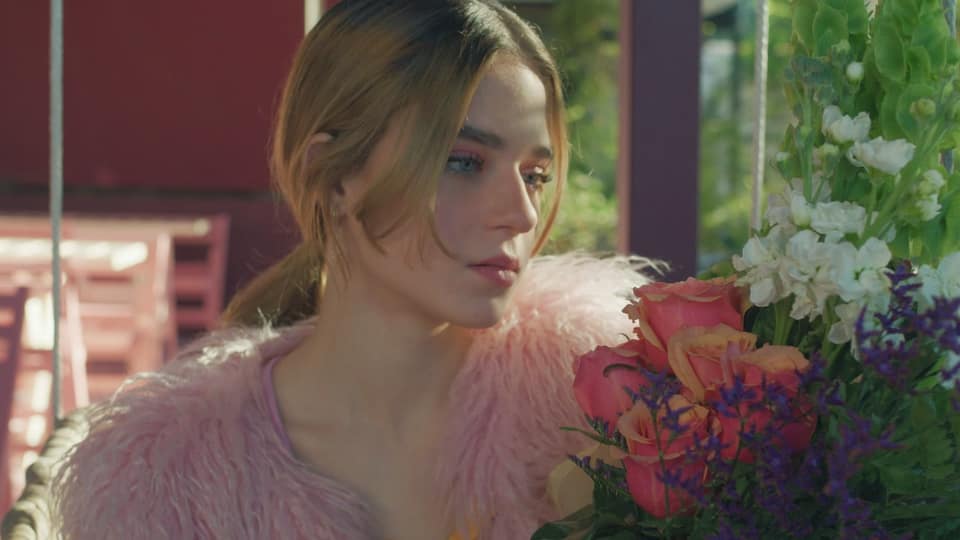
Ken Burns effect
Zoom and pan across your own photo, then save it as a video file. Free, and made in this tab.
- Free, no watermark
- Photo stays in this tab
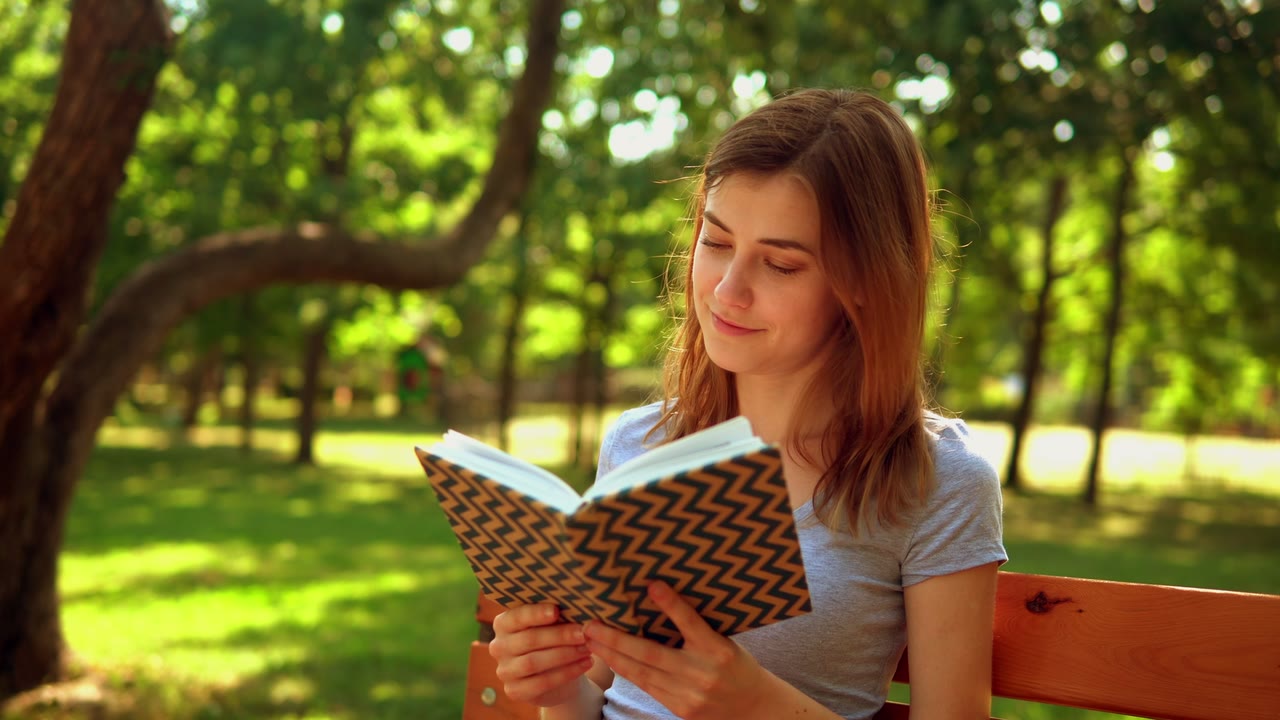
Your settings as keyframes
The same two keyframes work in a video editor. They change as you move the controls.
| Zoom in | Start | End |
|---|---|---|
| Scale | 100% | 125% |
| Position X | 0% | 0% |
| Position Y | 0% | 0% |
| Time | 0 s | 8 s |
Speed: smooth, eases in and out. Scale 100% means the photo just fills the frame. Position is a percentage of the frame, and a positive X moves the photo to the right.
What the Ken Burns effect is
A slow zoom and pan across a still picture, so a photograph plays like a shot from a camera. It is named after the documentary maker Ken Burns, whose films made it familiar, and editors also call it pan and zoom.
It comes down to two framings, a start and an end, a length, and a speed curve. The page above sets those four things for you and saves the result as a video. It moves the whole picture. It does not move anything inside it.
Which direction for which photo
Each preview is the engine behind the tool, playing on a stock frame.
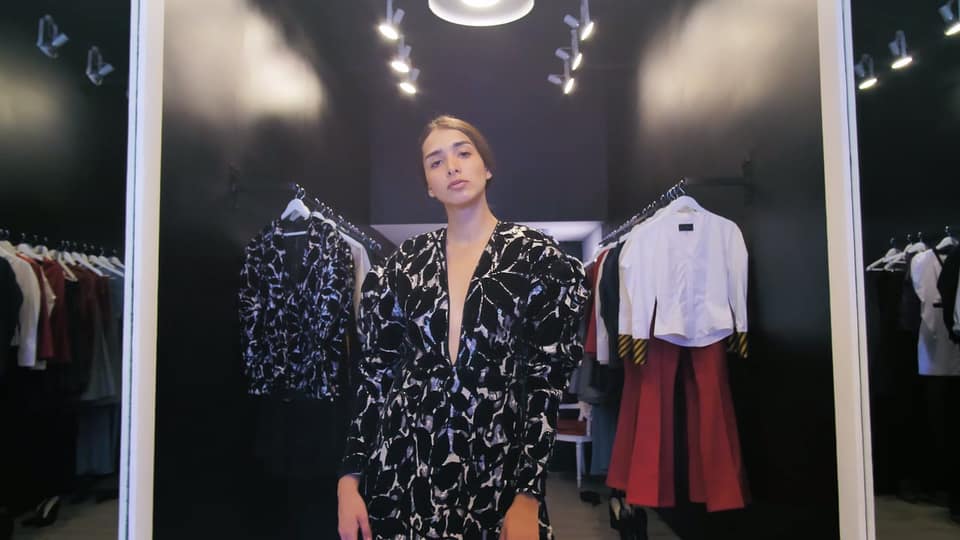
Zoom in
A portrait or a single subject
Zoom in tightens on a face or an object, which gives the photo a focal point.
100% to 125%, middle 80% in view

Slide right
A wide scene or a row of things
Slide right moves the photo to the right, which pans across a landscape, a table or a skyline at a steady zoom.
Held at 125%, middle 62% in view
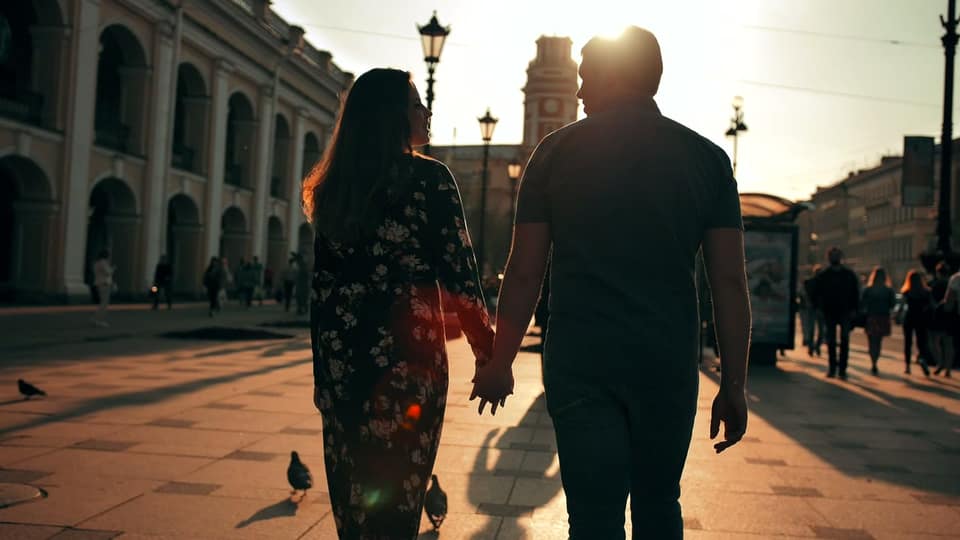
Zoom and drift
Old prints and group photos
Zoom and drift combines a slow zoom with a diagonal glide, the classic documentary look.
113% to 125%, middle 62% in view
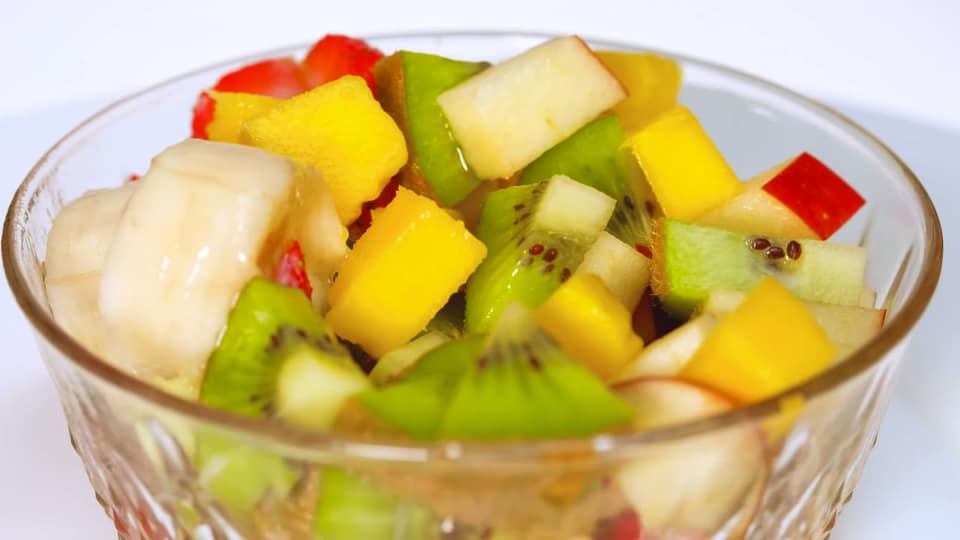
Zoom out
A product or a detail with context around it
Zoom out starts tight and ends on the whole frame, so the picture reveals itself.
125% to 100%, middle 80% in view
Ken Burns effect or the AI render
This page: the camera moves over a still. Hair, steam and water stay as they were in the photo.
The AI render, on the waitlist: motion inside the picture, such as wind in hair, rising steam or a blink.
Pick the Ken Burns clip when the photo itself is the subject. Join the waitlist when you want the subject to move.
Join the waitlistQuestions
Is this Ken Burns effect free?+
Yes. There is no account, no payment step and no watermark. The video file is made in this tab, and you save it to your device.
Is my photo uploaded?+
No. The photo is read in this tab, drawn onto a canvas and encoded there. The page sends no request that carries it.
What file and size do I get?+
An MP4 (H.264, 30 frames per second) when your browser can encode it: 1080 × 1920 for 9:16, 1080 × 1080 for 1:1, 1920 × 1080 for 16:9. A browser that can only record saves a WebM or a live-recorded MP4, and the page says which after saving.
How much zoom should I use?+
The slider runs from 10% to 50%. At 50% a zoom keeps the middle 66% of the photo in view and a slide or drift keeps the middle 36%. The line under the slider shows the figure for your settings. Keep faces and text inside it.
Why does the video look soft?+
Zooming in enlarges pixels. The video is up to 1920 px on its long side and the strongest zoom is 100% to 150%, so a photo about 2900 px wide stays sharp in the wide shape. When the photo is smaller than the clip needs at its closest zoom, the page says so before you save.
Can I use several photos in one video?+
Yes, on the photo slideshow maker page: up to 12 photos in one MP4, each with its own move and a crossfade between them. This page makes one clip from one photo.
Can I do this in CapCut, iMovie, Premiere or DaVinci Resolve?+
Yes. The keyframe table under the tool lists the start and end Scale and Position for your settings. Add two keyframes with those values and set the clip length. Position is a percentage of the frame here, and editors differ in their units.
Do iPhone photos work?+
Safari opens HEIC photos. Other browsers may refuse one, and the page then asks for a JPG, which your photo app can export.
How is this different from Photo to MP4?+
Both save a video made in your browser. This page lets you set the direction, zoom amount, length and speed. Photo to MP4 offers eight named camera moves, each with a prompt for the AI render.